Source adjustable pregnancy belly support strap for back relief, comfort, and posture
Find 30 adjustable pregnancy belly support strap options from verified Chinese manufacturers. Compare features like material, size, and customization to select the right maternity support belt for your needs.
Key considerations
Products List
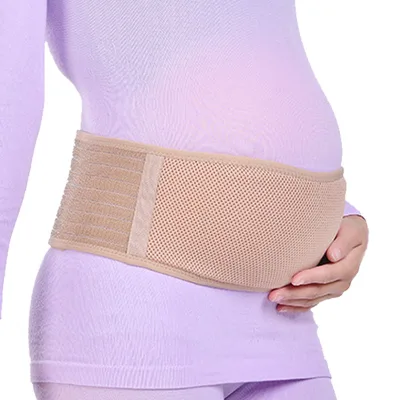
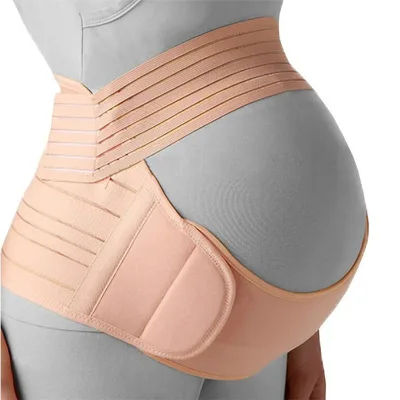


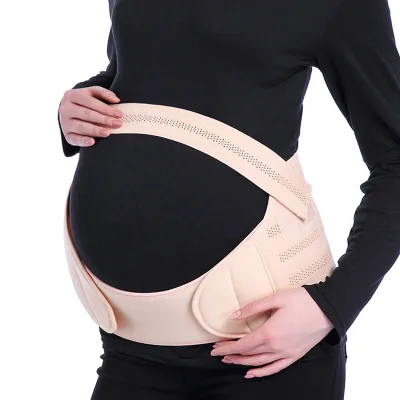
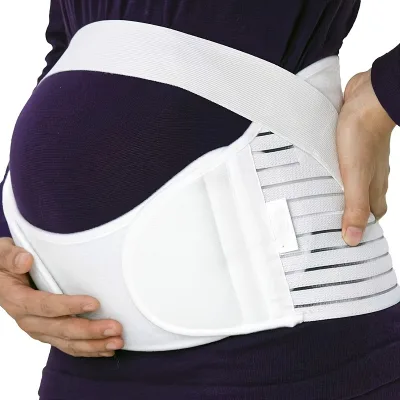
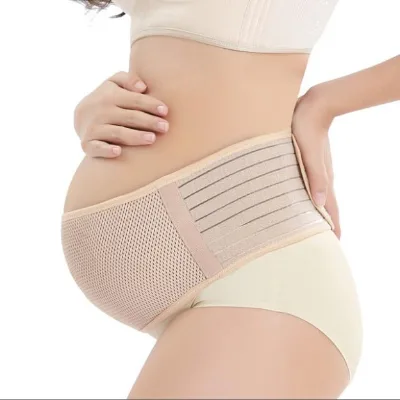
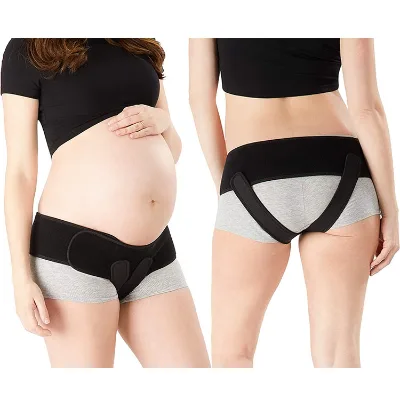
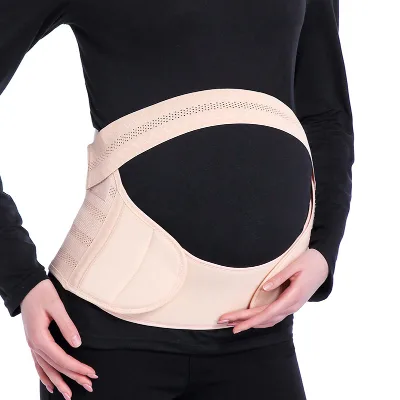
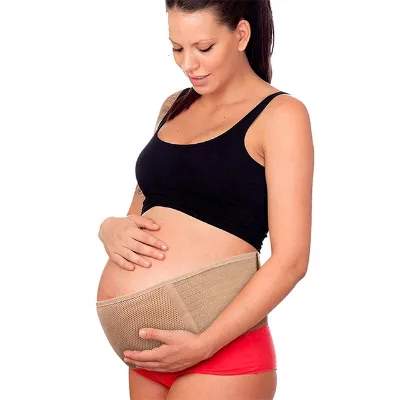






Comprehensive Sourcing Guide
Adjustable Pregnancy Belly Support Strap Sourcing Guide
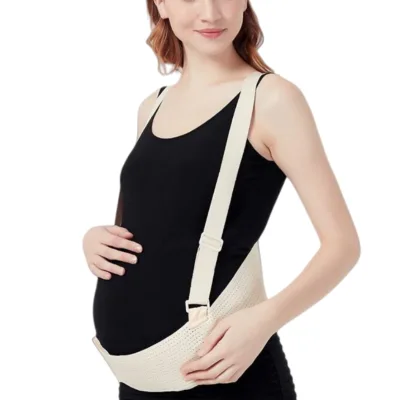
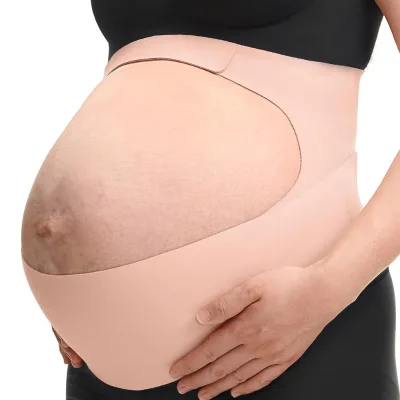
Procuring adjustable pregnancy belly support straps requires a nuanced understanding of the intersection between medical-grade support and consumer comfort. These products are designed to alleviate lower back pain and fatigue during pregnancy by providing targeted abdominal and lumbar support. Buyers must distinguish between basic protective wear and specialized health care supplies, as the latter often involves stricter material and structural requirements. The market offers a variety of designs, from long maternity wraps to structured belts, each serving different stages of pregnancy and varying degrees of physical discomfort.
The sourcing landscape is characterized by a wide range of product attributes, including material composition, sizing options, and functional features. Suppliers primarily operate from key manufacturing hubs in China, with significant production presence in Hebei, Guangdong, and Jiangsu provinces. This geographic diversity can impact lead times and logistics, but it also offers buyers a broad selection of suppliers. Understanding the specific needs of the end-user, such as the need for breathability, elasticity, or specific compression levels, is critical when evaluating supplier catalogs and product specifications.
Product Scope and Observed Listing Signals
The product scope for adjustable pregnancy belly support straps encompasses a variety of designs tailored to different stages of pregnancy and user preferences. Common product names include maternity belly back braces, waist support belts, and abdominal wraps. These items are generally classified as health care supplies or protective equipment, with a primary function of reducing low back pain and fatigue. The target audience is exclusively adult women, specifically pregnant women and mothers-to-be, who require support for their changing bodies.
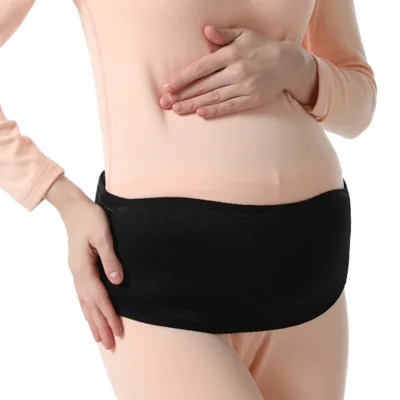
Observed listing signals indicate a high degree of customization and variability in product attributes. Suppliers offer products in multiple colors, such as beige, black, grey, pink, and striped variations, to cater to aesthetic preferences. Materials range from polyester and nylon blends to spandex and nylon combinations, with some products using pure polyester. The sizing strategy varies significantly, with some products offering a "one size fits all" approach using long wrap designs, while others provide specific size ranges including M, L, XL, and XXL. This variation requires buyers to carefully match product specifications with their target demographic's sizing needs.
Technical Specifications to Verify
When evaluating technical specifications, the material composition is a primary factor influencing comfort and durability. Buyers should verify whether the product uses polyester, nylon, spandex, or a blend of these materials. Blends typically offer a balance of elasticity, breathability, and strength, which are essential for a support strap that must withstand daily wear and movement. The thickness of the material is also a critical specification, with some products described as "thin" to ensure discretion under clothing, while others may be thicker for enhanced support.
Structural design and fit are equally important technical considerations. Products may feature a long wrap design that allows for extensive adjustability, or they may have a more structured belt form with specific size increments. Buyers must verify the single package dimensions and gross weight to assess shipping efficiency and product feel. For instance, some products have a single gross weight of around 0.350 kg to 0.400 kg, while others may be lighter. Additionally, the presence of features such as breathability, elasticity, and adjustability should be confirmed, as these directly impact user comfort during prolonged wear.
Compliance and Safety Documentation
Compliance and safety are paramount when sourcing products intended for use during pregnancy. Although specific certification statuses may vary by supplier, buyers should prioritize products that are classified as Class I medical instruments or basic protection devices. This classification often implies a lower risk profile but still requires adherence to specific manufacturing standards. Buyers must request documentation that confirms the product meets relevant safety standards for materials in contact with skin, ensuring that no harmful chemicals or irritants are present.
Documentation should also include details on the product's origin and manufacturing processes. Suppliers from regions like Hebei, Guangdong, and Jiangsu may have different regulatory environments, so buyers should verify that the manufacturing facilities adhere to consistent quality and safety protocols. Customization options, such as logo printing, should be reviewed to ensure that any added materials or processes do not compromise the product's safety or comfort. Buyers should also verify that the product description accurately reflects its intended use as a health care supply for pregnant women.
Cost Drivers and Commercial Terms
Cost drivers for adjustable pregnancy belly support straps include material quality, design complexity, and customization requirements. Products with specialized features, such as breathable mesh panels or specific compression zones, may command higher prices. The choice of material, such as spandex blends versus pure polyester, also affects cost. Buyers should be aware that the observed price range in the market can vary significantly, reflecting differences in quality, branding, and supplier positioning. Understanding these drivers helps in budgeting and negotiating effectively with suppliers.
Commercial terms, including minimum order quantities (MOQ) and packaging details, are critical for procurement planning. MOQs can range from small quantities for testing to larger volumes for bulk orders, with observed ranges typically spanning from 1 to 1000 units. Packaging is often standardized, with products packed in cartons, and single package sizes are usually compact to optimize shipping costs. Buyers should clarify these terms early in the sourcing process to avoid unexpected costs or logistical challenges. Additionally, lead times and payment terms should be negotiated to align with inventory needs and cash flow requirements.
Supplier Qualification and Quality Control
Supplier qualification involves assessing the manufacturer's capability to produce consistent, high-quality products. Buyers should verify the supplier's experience in producing maternity support products and their ability to handle customization requests, such as logo printing or specific material blends. Suppliers from established manufacturing hubs like Hebei, Guangdong, and Jiangsu often have robust supply chains and production capabilities. However, buyers should conduct due diligence to ensure that the supplier maintains consistent quality control measures throughout the production process.
Quality control checks should include inspections of material integrity, stitching quality, and overall construction. Buyers should request samples to evaluate the product's fit, comfort, and durability. Key quality indicators include the elasticity of the material, the strength of the fasteners, and the consistency of sizing across different units. For products with specific model numbers, such as 3L-T008 or 3L-662, buyers should verify that the samples match the specified technical attributes. Establishing a clear quality assurance protocol with the supplier is essential to minimize defects and ensure customer satisfaction.
Long-Term Procurement Checks
Long-term procurement success depends on establishing a reliable supply chain and maintaining strong supplier relationships. Buyers should regularly review supplier performance metrics, including on-time delivery rates, product quality consistency, and responsiveness to issues. Continuous communication with suppliers is vital to address any changes in product specifications or market demands. Buyers should also stay informed about industry trends and regulatory changes that may impact the sourcing of maternity support products.
Periodic audits and re-evaluations of suppliers are recommended to ensure ongoing compliance with quality and safety standards. Buyers should consider diversifying their supplier base to mitigate risks associated with single-source dependencies. Additionally, gathering feedback from end-users can provide valuable insights into product performance and areas for improvement. By maintaining a proactive approach to supplier management and quality control, buyers can ensure a steady supply of high-quality adjustable pregnancy belly support straps that meet the needs of their customers.
FAQs
How does this belt reduce back pain during pregnancy?
This belt reduces low back pain and fatigue during pregnancy by providing support to the belly and waist. It features breathable, comfortable, and adjustable elasticity to fit various body shapes while offering basic protection for expectant mothers.
What materials are used to make the maternity support belt?
The maternity support belt is constructed from durable materials such as polyester, nylon, and spandex. These fabrics ensure the product remains breathable and elastic, providing necessary support while maintaining comfort for the wearer throughout the day.
Which sizes are available for the adjustable pregnancy belly strap?
Available sizes include one size fits all as well as specific options like M, L, XL, and XXL. Buyers can select the appropriate size based on their specific needs, ensuring a secure and comfortable fit for different body types.
Can I customize the logo on the maternity support belt?
Yes, customized logos are available for this product. Buyers can request specific branding options to meet their business requirements, making it suitable for private label opportunities or corporate gifting within the health care supplies sector.
How much does the single package weigh and measure?
The single package size measures 20 by 10 by 5 cm with a gross weight of 0.350 kg or 0.400 kg depending on the model. This compact packaging facilitates easy shipping and storage for bulk orders of the maternity wrap.
Where are these maternity belts manufactured and shipped from?
These belts are manufactured in China, with origins noted in Hebei, Guangdong, and Jiangsu provinces. The products are designed for global distribution, ensuring that suppliers can source from multiple locations to meet varying demand and logistics requirements.